
Registered Nursing Training Program
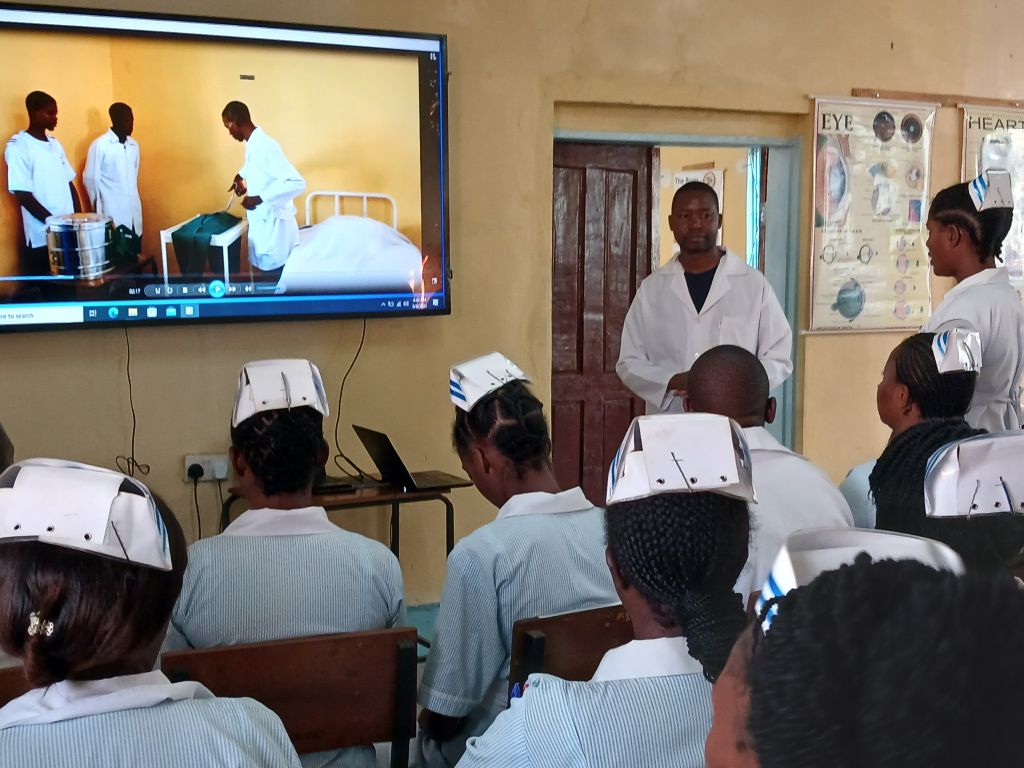
- Grade 12 School Certificate or its equivalent with
five O-Level credits or better in:
- Mathematics
- English
- Any Science Subject (compulsory)
- Any Other Two Subjects
- Applying candidates must provide:
- Certified Grade 12 School Certificate or Statement of Results
- National Registration Card (NRC)
- Passport for non-Zambian applicants
- Recommendation Letter from a faith-based organization.
- Baptism Card for Catholic applicants who have been baptized.
- Reference Letter from a previous school or employer.
- Bank Deposit Slip for the application form.
- Applicants must be 16 years of age or older.
Our Program And Courses
Sancta Maria College of nursing and midwifery offers a Direct Diploma in Registered Nursing which is a three year program. The courses are as follows:
Anatomy & Physiology
This course introduces students to the structure and function of the human body. Anatomy focuses on understanding body parts such as bones, muscles, the heart, lungs, and kidneys, while Physiology explains how these organs and systems work together to keep the body functioning.
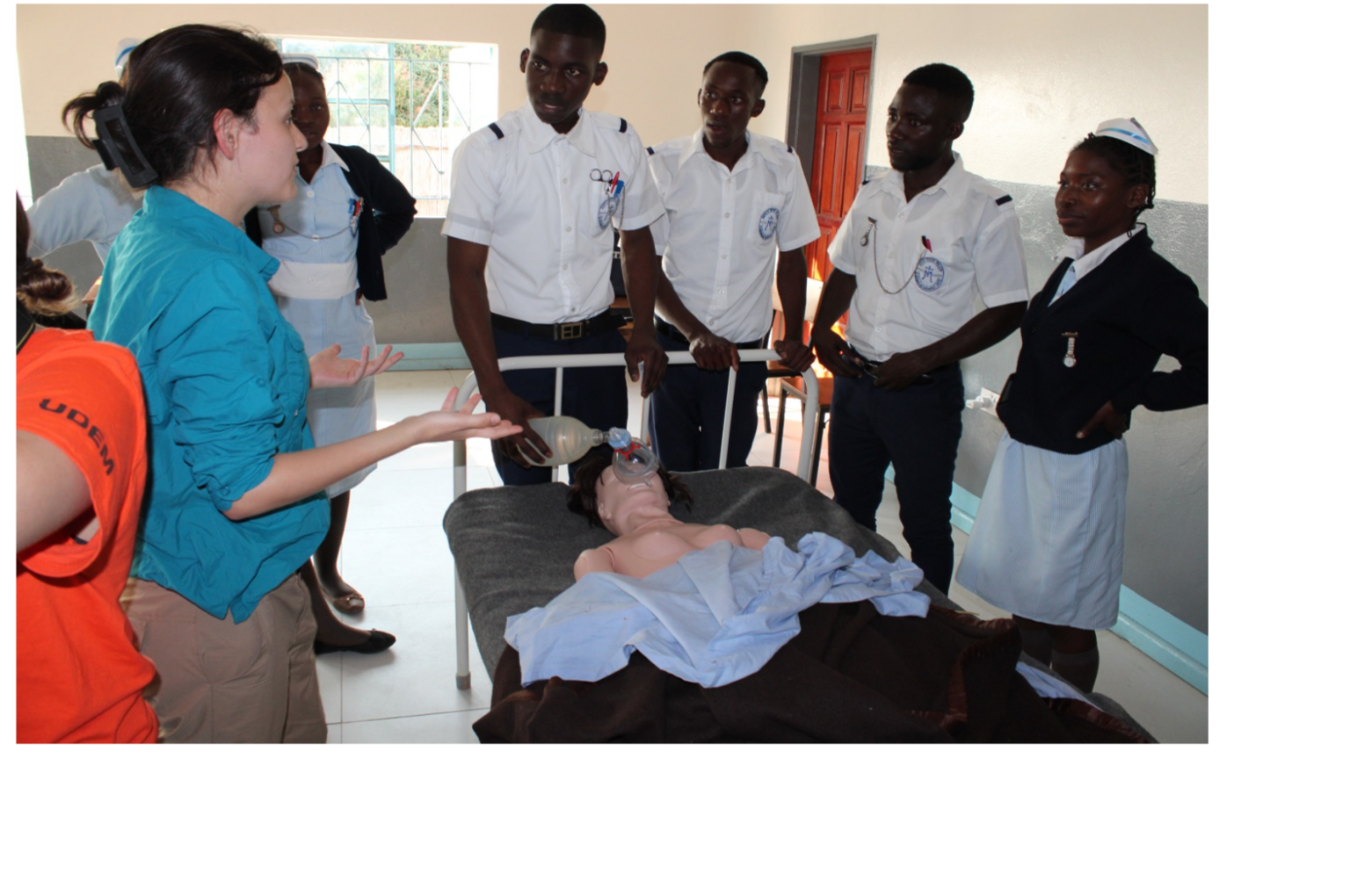
This course provides the foundation for nursing practice by helping students recognize normal body functions and identify signs of illness or disease. Through theory, skills laboratory sessions, and anatomical models, students gain a deeper understanding of how the body works, making it easier to understand patient conditions and clinical care.
Fundamentals of Nursing
This course equips students with the essential knowledge, skills, and professional attitudes required for safe and effective patient care. The course covers basic nursing procedures such as personal patient care, vital signs monitoring, infection prevention and control, communication, documentation, patient safety, and professional ethics.
As the foundation of all nursing practice, this course prepares students for more advanced clinical subjects and responsibilities. Through practical skills laboratory sessions, students gain hands-on experience in bedside care and patient interaction, helping them build confidence and begin developing their identity as professional nurses.
Microbiology
is the study of microorganisms such as bacteria, viruses, fungi, and parasites that can cause disease. In nursing, the course focuses on understanding how infections develop, how they spread, and the measures used to prevent and control them. Students learn the importance of infection prevention practices, including hand hygiene, sterilization, isolation procedures, and the proper use of medications. This knowledge is essential for protecting patients, healthcare workers, and communities from infectious diseases.
Psychology & Sociology
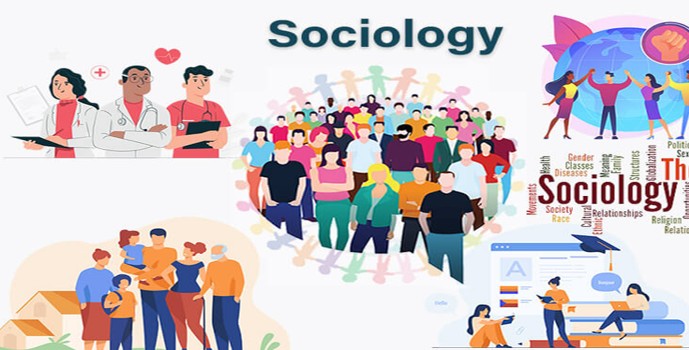
This helps with understanding why patients behave the way they do and learning about grief, stress, and cultural beliefs surrounding illness. This course helps students develop empathy and effective communication skills, making them better nurses, not just better technicians.
Core Clinicals
This is where many students say, “This is why I chose nursing.” The course focuses on caring for patients with a wide range of medical and surgical conditions, allowing students to apply their knowledge in real clinical settings.
Students learn essential skills such as wound dressing, administering intravenous (IV) medications, interpreting arterial blood gases (ABGs), and recognizing signs of patient deterioration. The medical ward environment develops critical thinking, clinical judgment, and the ability to respond quickly and effectively to patient needs.
Midwifery & Obstetrics
Delivering your first baby is an unforgettable experience. Students learn essential maternal healthcare skills such as Active Management of the Third Stage of Labour (AMTSL), managing postpartum haemorrhage (PPH), and using partographs to monitor labour.
Maternity care is both intense and rewarding, combining clinical expertise with emotional support. It is often one of the most memorable experiences in nursing training, and many students never forget their first delivery.
Pharmacology
Pharmacology focuses on understanding how medications work, why they are prescribed, and their effects on the body. Students learn about drug actions, indications, dosages, and safe medication administration.
The subject becomes especially meaningful when students see medications producing real clinical outcomes—for example, administering magnesium sulphate (MgSO₄) to manage eclampsia or adrenaline to stabilize a patient’s blood pressure. At this point, pharmacology moves beyond theory and becomes an essential tool in patient care.
Community Health Nursing
Community Health Nursing takes students beyond the hospital setting and into communities, where they participate in immunization programmes, health education talks, antenatal clinics, and other preventive healthcare activities. Through these experiences, students gain a deeper appreciation of how disease prevention and health promotion can improve lives and reduce the burden of illness.
In the third year of the programme, students study Pediatric Nursing, which focuses on the care of infants, children, and adolescents. The course covers areas such as growth monitoring, weight-based drug calculations, and the management of common childhood illnesses, including pneumonia and diarrhoea.
Operating Theatre Nursing
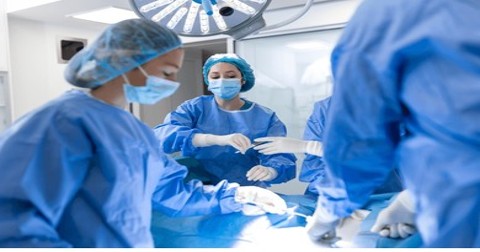
The most interesting part of this course is scrubbing in, passing surgical instruments, and experiencing surgery up close. Students learn sterile techniques, teamwork, and the importance of working efficiently in a fast-paced environment. The operating theatre experience is completely different from working on the wards.
Mental Health & Psychiatric Nursing
Students learn to care for patients experiencing depression, psychosis, substance use disorders, and other mental health conditions. The course emphasizes therapeutic communication, active listening, empathy, and understanding patient behaviour. Although many students may initially feel apprehensive, they often find the subject fascinating once they understand that effective mental health nursing is largely about listening, understanding, and providing the right support.
10. Leadership & Management in Nursing
Students learn how to delegate tasks, manage a ward, coordinate staffing, and handle workplace conflicts. The course helps them develop leadership and decision-making skills while gaining a broader understanding of nursing beyond bedside care. It is often a favourite among students as they begin to see themselves taking on greater responsibility and leadership roles.
Clinical Practicum / Attachments
This one is not technically a course; Clinical practicum is where the nursing diploma truly comes to life. Students apply classroom knowledge in real healthcare settings by providing patient care, administering treatments, performing procedures, and responding to real clinical situations. These hands-on experiences build confidence, clinical competence, and professional readiness. For many students, clinical attachments become the most memorable and rewarding part of their nursing education.
Ready to secure a spot? Apply today and begin your journey.
Follow the application process on the apply now page.